A reliable car on the road depends on two things: choosing a vehicle suited to how you actually use it and regularly maintaining its safety systems. Choosing and maintaining a car involves more than comparing list prices or visiting the garage once a year. Every component, from the tyres to the brake fluid, has its own wear cycle, which you need to understand to carry out maintenance at the right time.
Tyre markings and legal requirements: what’s actually changing
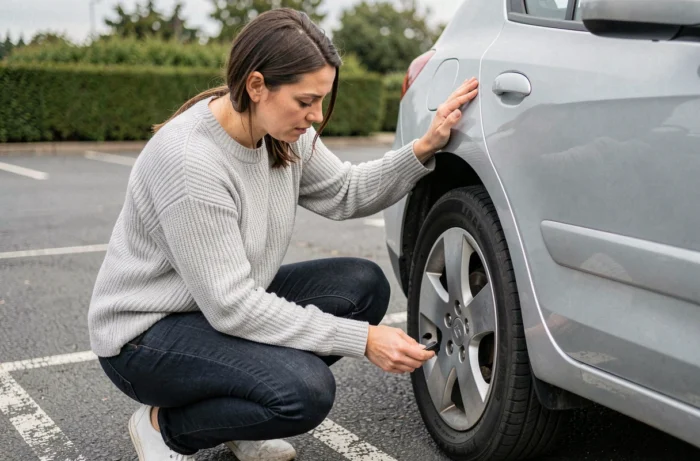
Tyres are the vehicle’s only point of contact with the road. Their condition affects handling, braking distance and cornering. Checking tyre pressure and wear before every long journey is one of the most worthwhile precautions you can take.
Since 1 November 2024, regulations have changed in mountain areas. The M+S marking alone is no longer sufficient: only the 3PMSF marking (the snowflake symbol inside a three-peaked mountain) guarantees compliance. Alternatively, you can carry chains or snow socks suitable for the drive wheels in the boot.
This requirement does not apply across an entire département. It applies municipality by municipality, according to locally defined lists. Drivers travelling through the Alps or the Massif Central should therefore check which municipalities are covered along their specific route, rather than relying on a general map.
For more on choosing a vehicle and carrying out seasonal checks, Bohème Magazine’s car advice explores these topics from several practical angles.
Fluid levels and engine checks: inspections that help prevent breakdowns
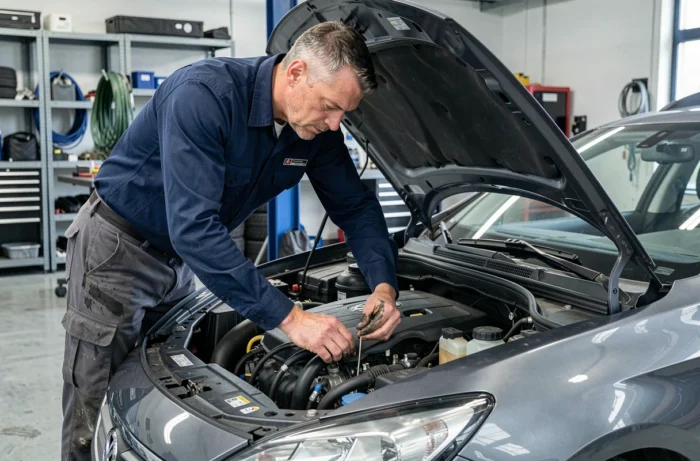
An engine relies on several interconnected fluid systems. Neglecting any one of them can trigger a chain reaction, sometimes causing irreversible damage.
- Engine oil: lubricates, cools and cleans internal components. A low level accelerates wear on the piston rings and bearings. The dipstick, whether manual or electronic, gives an accurate reading when the engine is cold and the car is on level ground.
- Coolant: regulates the engine’s temperature. Low coolant can quickly lead to overheating, especially in slow-moving traffic or when climbing a mountain pass. Check the level in the expansion tank only when the engine is cold.
- Brake fluid: it is hygroscopic, meaning it absorbs moisture over time. This reduces its ability to transmit pressure to the brake callipers, increasing stopping distances. Most manufacturers’ service schedules recommend replacing it every two years.
- Windscreen washer fluid: often overlooked, it is essential for clear visibility. An empty reservoir in rainy weather or when road spray is heavy creates a real hazard.
The dashboard warning lights alert you to most of these issues. A check-engine light that stays on (rather than appearing only at start-up) warrants prompt attention. Ignoring a temperature or oil-pressure warning for dozens of kilometres can turn a minor repair into an engine replacement.
Brakes and lights: two safety systems to check together
Brake pads wear down gradually, but their lifespan depends on driving style and the type of roads you use. A metallic noise when braking signals advanced pad wear, sometimes down to the metal backing plate, which can damage the disc. At this point, repair costs double because the discs also need replacing.
You don’t need special equipment to test your brakes. On a clear road, braking firmly at a moderate speed can reveal whether the car pulls to one side or the pedal feels spongy. Both symptoms point to a problem with the hydraulic system or a seized calliper.
Lights deserve the same attention. A blown brake light often goes unnoticed by the driver, even though it removes a braking signal for the vehicle behind. Checking all the lights (dipped beam, main beam, sidelights, brake lights, indicators and reversing lights) takes less than five minutes with two people.

All-season tyres or winter tyres: how to choose beyond the legal requirements
Legal compliance is only part of the picture. Choosing between winter and all-season tyres depends on how you actually use your vehicle, not just where you live.
An all-season tyre bearing the 3PMSF marking meets the legal requirement in mountain areas. It offers a reasonable compromise for urban drivers who only occasionally cross a mountain pass. On compacted snow or frequent ice, however, dedicated winter tyres still offer a measurable advantage in grip and braking distance.
Another distinction to bear in mind: a B26 sign on a snow-covered road requires you to fit chains or other anti-skid equipment, regardless of the Loi Montagne. Even a vehicle fitted with 3PMSF-approved winter tyres may have to use chains if the signs require it. Temporary road signs and seasonal requirements are two separate sets of rules.
Cost is another factor. Buying two sets of tyres (summer and winter) costs more upfront, but each set wears more slowly because it is used for only half the year. A single set of all-season tyres is used year-round and offers slightly lower performance in extreme conditions, both hot and cold.
Maintaining your car methodically means servicing each component according to its own wear cycle, rather than waiting for a red warning light or an administrative deadline. Tyres, fluids, brakes and lights work together as a system: a failure in any one of these areas is enough to compromise the safety of the entire vehicle.