
A simple figure is enough to make one grind their teeth: by the end of 2025, dozens of Zara stores will close their doors across France. Not just a tactical retreat, but the concrete translation of a global strategy, dictated by quarterly results and the fierce pressure of e-commerce. For now, it is impossible to draw up a fixed list: closures, delays, or rescues depend on tough local negotiations and the commercial health of each store.
Online shopping no longer gives respite to major textile chains, and Zara is not escaping this tidal wave. Physical stores, long at the heart of city life, are now on borrowed time. Behind each closure, an entire local balance is at stake: threatened direct jobs, weakened shopping streets, reimagined shopping centers. The upheaval promises to be massive.
What the closures of Zara stores by 2025 reveal: a transformation of the sector
In France, the wave of store closures initiated by Zara goes far beyond a one-off measure. It is the entire map of the fashion sector that is being redrawn. In the face of the rise of digital shopping and changing buying behaviors, the brand is completely reassessing its presence in the territory. Fewer stores, but better-placed sites, more connected to customers who are changing their pace and priorities.
The publication of the list of Zara store closures leaves no one indifferent: it highlights the fragility of the historical model. The store, once a temple of fashion, is giving way to a shopping experience that now takes place on screen. Revenue follows this migration: the store becomes a transit point, sometimes ancillary, in the face of the logistical power of the web. Habits are evolving, expectations too: speed, availability, personalization. Zara is adapting, accelerating its transformation, and dragging an entire sector in its wake.
Today, the brand is scaling back, concentrating its efforts on major cities, and pushing the development of digital services. This dynamic is not new, but it is reaching a decisive turning point. Market observers see it as a profound redefinition of the relationship between brand, customer, and urban space. It is no longer just a question of profitability: it is the relationship with fashion, proximity, and neighborhood commerce that is being reinvented.
Which stores are affected and in which French cities?
The closure plan is not limited to Paris or major metropolitan areas. The entire map of France is being redrawn. Several Zara stores located in major shopping centers or in city centers are closing their doors, with particular attention given to medium-sized cities and certain regional centers where the brand is withdrawing.
Some locations illustrate the extent of the shock. At the Ruban Bleu shopping center in Saint-Nazaire, the announced closure immediately prompted a reaction from the mayor, David Samzun, who is concerned about the attractiveness of the city center. And this situation is repeating elsewhere. Here are examples of cities where the closure of Zara has already been confirmed or is being seriously considered:
- Valence
- Angoulême
- Nîmes
- Strasbourg
In Paris, the closure of the store on the Champs-Élysées is a symbolic earthquake: this flagship store illustrates the radical shift taken by the brand.
This movement is not limited to the capital or major cities. It crosses regions, alters the face of shopping centers, and reshuffles the cards of shopping areas both in the suburbs and in city centers. Elected officials, merchants, and residents are witnessing their environment evolve, sometimes abruptly. By steering this refocusing, Zara imposes a new tempo on French textile distribution.
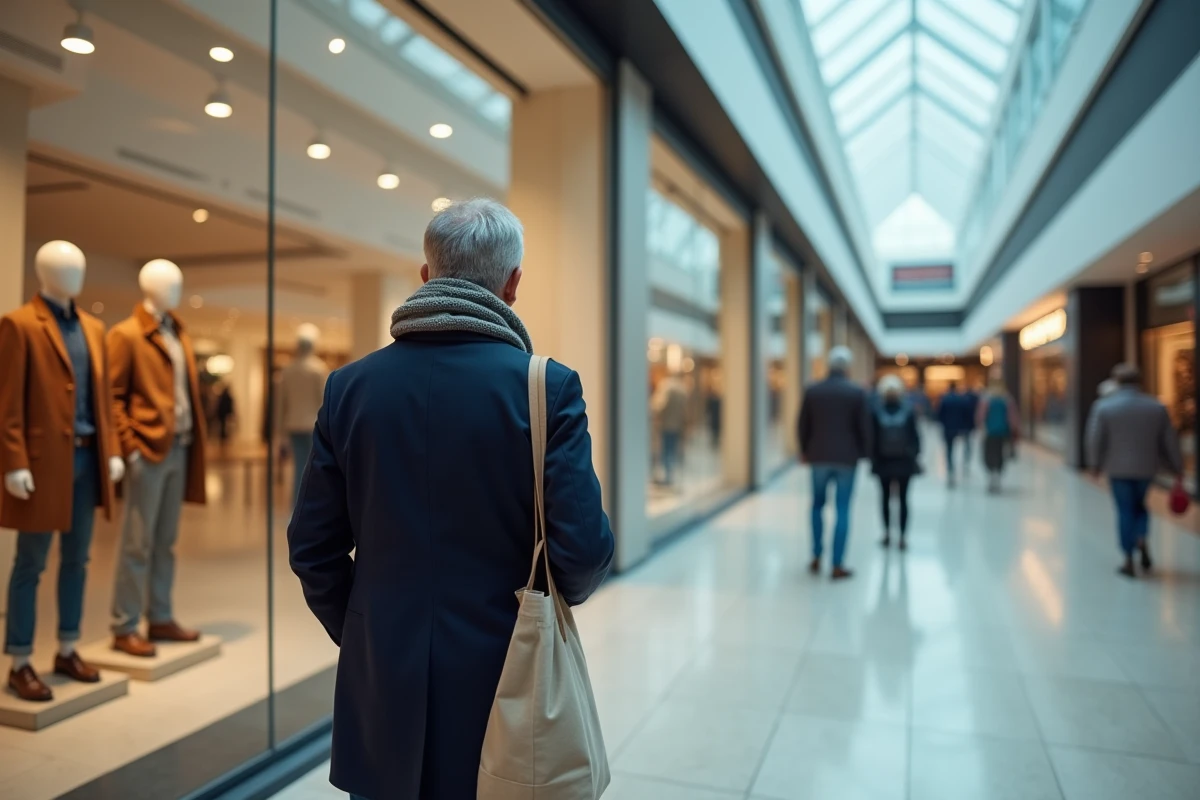
What impact for retail and consumer habits in France?
When Zara closes a store, it is not just a curtain coming down. The entire organization of retail feels the tremors. City centers, shopping galleries: the brand represented, for many, the face of accessible and contemporary fashion. Now, a part of that proximity is evaporating. French consumers see their routine disrupted: fewer stores within reach, more purchases on screen. The journey is digitizing, and the relationship with the brand is changing scenery.
Foot traffic in shopping centers is declining, the offering is weakening, especially in medium-sized cities where Zara sometimes played the role of a leading brand. When such a brand withdraws, the entire local ecosystem finds itself out of balance, with consequences for employment, attractiveness, and the diversity of commerce. Territories, already weakened by the competition from e-commerce, must invent new models to stay alive.
On the customer side, access to fashion is transforming: reliance on online shopping is becoming the norm, the customer experience is adapting, and the quest for new references is intensifying. There is also a renewed interest in second-hand goods and more thoughtful purchases. Habits are wavering, oscillating between attachment to the neighborhood store and the allure of the speed of digital. As brands readjust their strategies, consumers are venturing into new shopping territories, at the crossroads of nostalgia and innovation.