Since July 1, 2026, eight smoke flavors are banned in most food categories within the European Union. This regulatory measure, far from being anecdotal, reshuffles the aromatic formulation landscape for entire sectors of the food industry. The art of taste, in 2026, is played out as much in R&D laboratories as in chefs’ kitchens.
Smoke flavors banned in Europe: what the 2026 regulation changes
The ban concerns eight substances previously used to impart smoky notes to snacks, cured meats, and industrial cheeses. Only a transitional period lasts until July 1, 2029 for certain meat products, cheeses, and fish products. For all others, the deadline has passed.
Manufacturers of chips, crackers, and savory snacks are the first to be affected. Recreating a smoky perception without resorting to the targeted flavors requires combining other molecules or exploring physical processes (real smoking at low temperatures, wood infusion). Field feedback varies on this point: some manufacturers find the substitutes convincing, while others report a persistent sensory gap.
This regulatory framework illustrates a broader trend. European regulations increasingly impact the available aromatic palette, forcing players in gastronomy and the food industry to rethink their recipes. You can find all the news on L’Art du Goût that document this type of evolution over the months.
Reformulation and taste: why reducing sugar is not enough
The health promise carried by the Nutri-Score and nutritional claims faces an obstacle that labels do not resolve: pleasure in the mouth. A recent analysis reports that products positioned as healthier are less appreciated when perceived as too dry or too hard. Nutritional information, however favorable, does not compensate for a disappointing sensory experience after tasting.
This observation shifts the focus of reformulation. Reducing the sugar or salt content of a product is only commercially viable if the texture remains appealing. Development teams are now investing as much in the mechanics of the bite (melting, crunchiness, softness) as in nutritional composition.
Texture and taste perception: an underestimated link
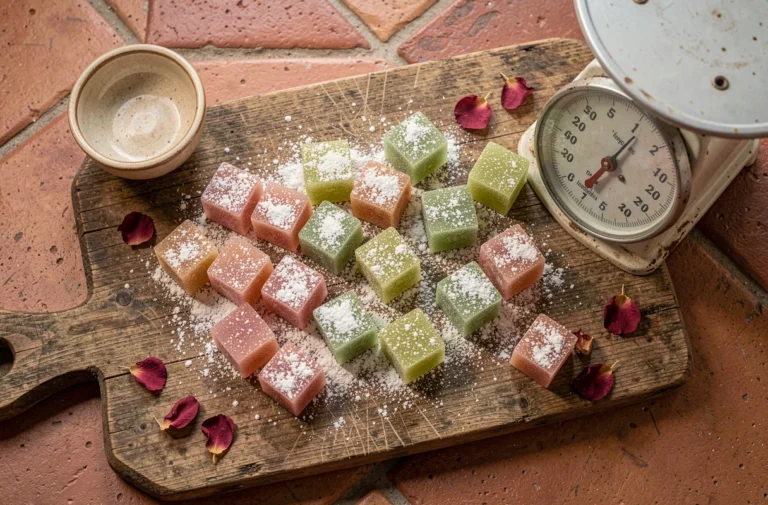
A reformulated cookie can display a better nutritional profile while losing its loyal consumers if the mouthfeel changes. Texture becomes a decisive factor in the acceptance of reformulated products. Sensory panels show that excessive hardness or a lack of melting leads to a rejection greater than that caused by a simple reduction in sweetness.
For artisans as well as for manufacturers, this issue redefines the very notion of taste. The art of taste is no longer limited to a palette of flavors: it incorporates the tactile dimension, the resistance under the bite, and how a food disintegrates in the mouth.
Creating new flavors without the eight smoke flavors: the snack sector’s avenues in France
The savory snack sector, particularly exposed to the ban, is exploring several substitution paths. The challenge is to regain the smoky signature that consumers associate with certain ranges of chips and snack products, without resorting to the banned molecules.
- Real smoking through controlled exposure to wood chips (beech, oak) allows for authentic smoky notes, but extends production times and increases logistical costs.
- The combination of several natural flavors not affected by the ban (smoked paprika, chipotle pepper, roasted yeasts) aims to reproduce a smoky perception through combination rather than a single molecule.
- Some manufacturers choose to reposition their ranges by abandoning the smoky register in favor of different taste profiles (umami, fermentation, roasted spices), anticipating that consumers will adapt.
The available data does not yet allow for a conclusion on the most effective strategy. Initial commercial feedback will be observed on sales in the second half of 2026 in France.

French gastronomy and plate design: when taste also comes through the eyes
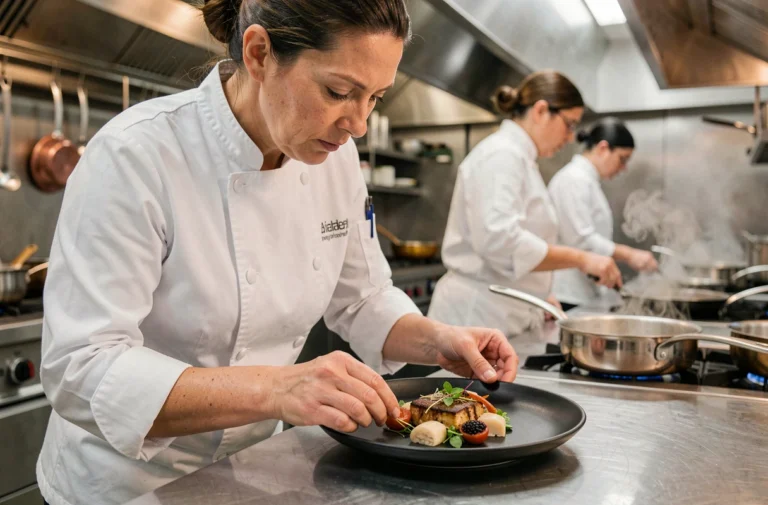
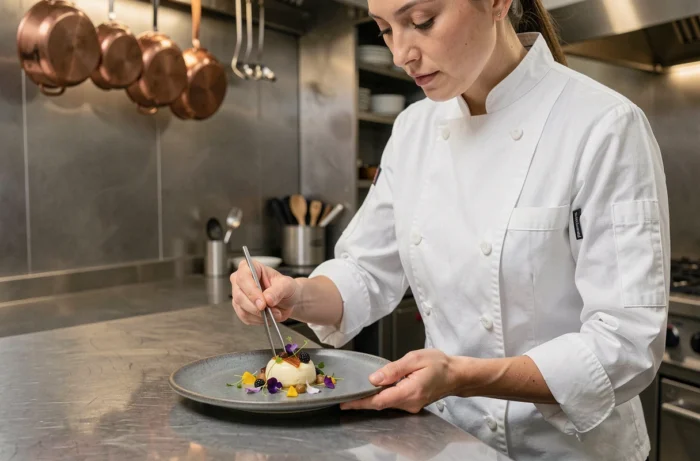
The trend towards culinary design remains strong in French restaurants, but it is shifting. Chefs working on plating in Paris and major regional cities are increasingly integrating overall sensory coherence: a dish designed to be beautiful must also deliver a texture and aroma that match its presentation.
This requirement aligns with the concerns of the industrial sector. In both cases, appearance creates an expectation that taste must fulfill. A beautifully decorated frozen dessert with a bland flavor disappoints just as much as a snack with attractive packaging but an aromatic profile diminished by reformulation.
Tasting workshops and taste education
The culinary workshops multiplying in France respond to a growing need to understand what we eat. Learning to identify a fermentation aroma, distinguishing natural smoking from an added flavor, spotting the impact of texture on perceived pleasure: these skills, long reserved for professionals, are reaching the general public.
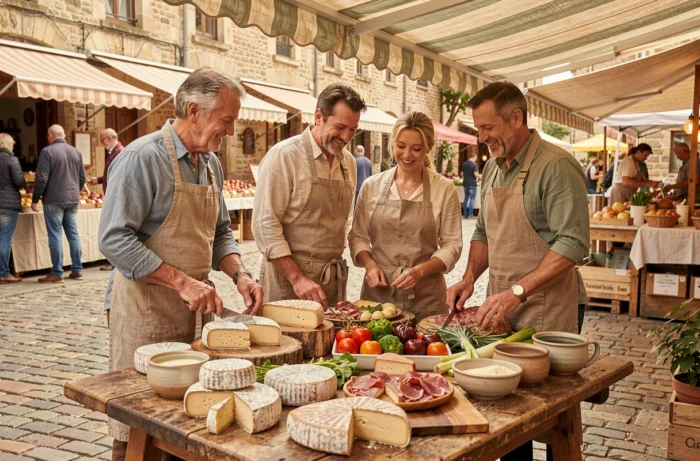
Sensory education is becoming a differentiation lever for artisanal brands and local producers. A consumer trained in tasting places more value on a product whose complexity they understand, supporting the fine grocery and local product sectors.
The taste landscape in France is transforming under the dual pressure of regulation and sensory expectations. The ban on smoke flavors and the limits of nutritional reformulation push the entire sector, from flavor laboratories to restaurant kitchens, to reconsider what truly defines a product’s quality. The next step will be played out in sales results and consumer panels in the second half of 2026.